Microplastics in water: new study reveals hidden chemical threat
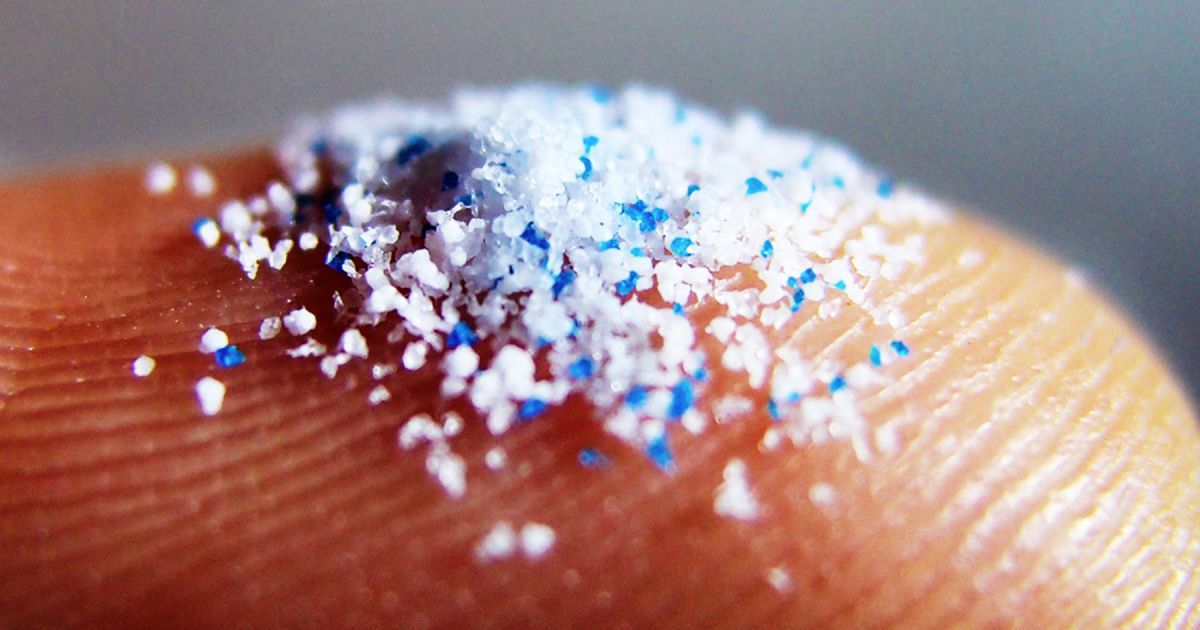
Scientists have discovered that microplastics in water do not just accumulate in organisms but trigger chemical reactions capable of damaging cells.
 🩺Health
Photo: TSN
Key points
- Microplastics trigger chemical reactions that harm cells
- Polyethylene and polypropylene are the most chemically active
- Heating plastic accelerates the release of dangerous particles
Dangerous chemical activity of plastic
Researchers from Columbia University and the University of California, Berkeley, have found that microplastics are much more active pollutants than previously thought. Instead of passively accumulating in the environment, plastic particles trigger the formation of reactive oxygen species upon contact with water.
These chemically active molecules, such as hydroxyl radicals, can react with proteins and DNA. Experiments showed that when in contact with polystyrene, mouse red blood cells changed their structure and ruptured, confirming potential damage to cell membranes.
Which types of plastic are most dangerous
- Polyethylene and polypropylene proved to be the most reactive due to their water-repellent properties.
- PET and acrylic demonstrated lower chemical activity.
Scientists emphasize that the risk increases as plastic breaks down, as the total surface area increases. Household habits, such as heating food in plastic containers or storing water in the sun for long periods, contribute to the release of more fine particles, potentially increasing the level of chemical interaction.
Source TSN — tsn.ua/zdorovya/mikroplastyk-vyiavyvsia-nebezpechnishym-niz-vvazaly-shc… ↗
Read next
 💼Economy
NBU Plans to Completely Withdraw 10-Kopeck Coins from Circulation by 2027
The National Bank of Ukraine initiates public discussion on ending the acceptance of 10-kopeck coins in stores starting February 1, 2027.
 🚌Transport
How to Protect Keyless Entry Cars from Relay Attacks Using Aluminum Foil
Owners of modern vehicles with keyless entry systems face the risk of relay theft through signal interception. Wrapping the key fob in aluminum foil acts as a Faraday cag…
 💼Economy
EU Budget Debate: Czech Republic Opposes €100 Billion Funding for Ukraine from Main Union Budget
Czech Prime Minister Andrej Babiš criticized the proposed EU multi-year budget framework, firmly opposing direct financial support for Ukraine from core European Union fu…
 💼Economy
Working past 60: Why Ukrainians are in no rush to retire
Around 43% of Ukrainians consider continuing to work after reaching retirement age, primarily driven by financial necessity rather than a desire to stay active.
 🎓Education
Doping scandal surrounding Mudryk: Ukraine national team doctor responds to allegations
National team doctor Roman Zholobayliuk has denied any involvement of the medical staff in the doping allegations made by Mykhailo Mudryk.
 👥Society
Sunflower oil prices in Ukraine may surge to 115 UAH per liter: what consumers should expect
Residents of Sumy and across Ukraine are warned about a sharp rise in sunflower oil and basic food prices due to production challenges and global market trends.