New Aerial Threat: Experts Explain the Danger of Russian Fiber-Optic Drones
Russian forces have started actively deploying «Molniya» unmanned aerial vehicles controlled via fiber-optic cables, making them immune to electronic warfare.
 🛡️Security
Photo: UNIAN
Key points
- Russia has started using fiber-optic «Molniya» drones along the frontline
- The devices do not react to EW systems due to the lack of radio signals
- Flight range into the rear reaches up to 30 kilometers
- Ukrainian defenders have already learned to detect and shoot down such targets
Over the past few days, Russian occupation forces have intensified the deployment of advanced «Molniya» unmanned aerial vehicles equipped with fiber-optic control systems. This was reported by Serhii Beskrestnov, known as «Flesh», advisor to the President of Ukraine on the development of defense technologies. According to him, these attack assets are now being recorded across various sectors of the frontline.
Technical Features and Main Threats
The key feature and primary danger of such UAVs is the complete absence of a traditional radio signal, rendering them invulnerable to standard electronic warfare (EW) systems. These drones are capable of penetrating up to 30 kilometers into the Ukrainian rear while flying at a relatively low altitude of about 50 meters. Experts note that this significantly complicates their detection by radar stations and requires novel approaches to airspace defense.
In addition to strike capabilities, the «Molniya» drone can conduct effective reconnaissance due to the high image quality transmitted during flight. Despite these challenges, Ukrainian military crews already possess successful experience in detecting and destroying such targets, rapidly adapting to new technological threats on the frontline.
Source UNIAN — unian.ua/weapons/droni-rf-molniya-stali-nebezpechnishimi-flesh-rozk… ↗
Read next
 🇺🇦Ukraine
Russian missiles breach Polish airspace: incident details
Polish officials have described the entry of Russian missiles and a drone into their airspace during a night attack on Ukraine as a deliberate provocation.
 🏙️City
Energy efficiency at home: how to winterize windows with household items
Residents of Sumy can independently insulate their windows using simple household methods, which helps reduce heat loss and lower heating costs.
 🚨Events
Poland probes incident: Details revealed regarding Russian missile origin
Polish prosecutors have confirmed the breach of national airspace by three Kh-101 cruise missiles and released data on their manufacturing dates.
 🏙️City
Death toll rises to seven in Dymer following Russian drone strike
Rescue teams have recovered another body from the rubble of a residential building in Dymer, bringing the death toll to seven.
 💼Economy
Donald Trump Threatens Iran with Military Strikes Following Failed Negotiations
The US President has signaled readiness for military action against Iran after the New Year, accusing Tehran of stalling diplomatic efforts.
 🚨Events
Tragedy in Dymer: Death toll from drone attack rises to six
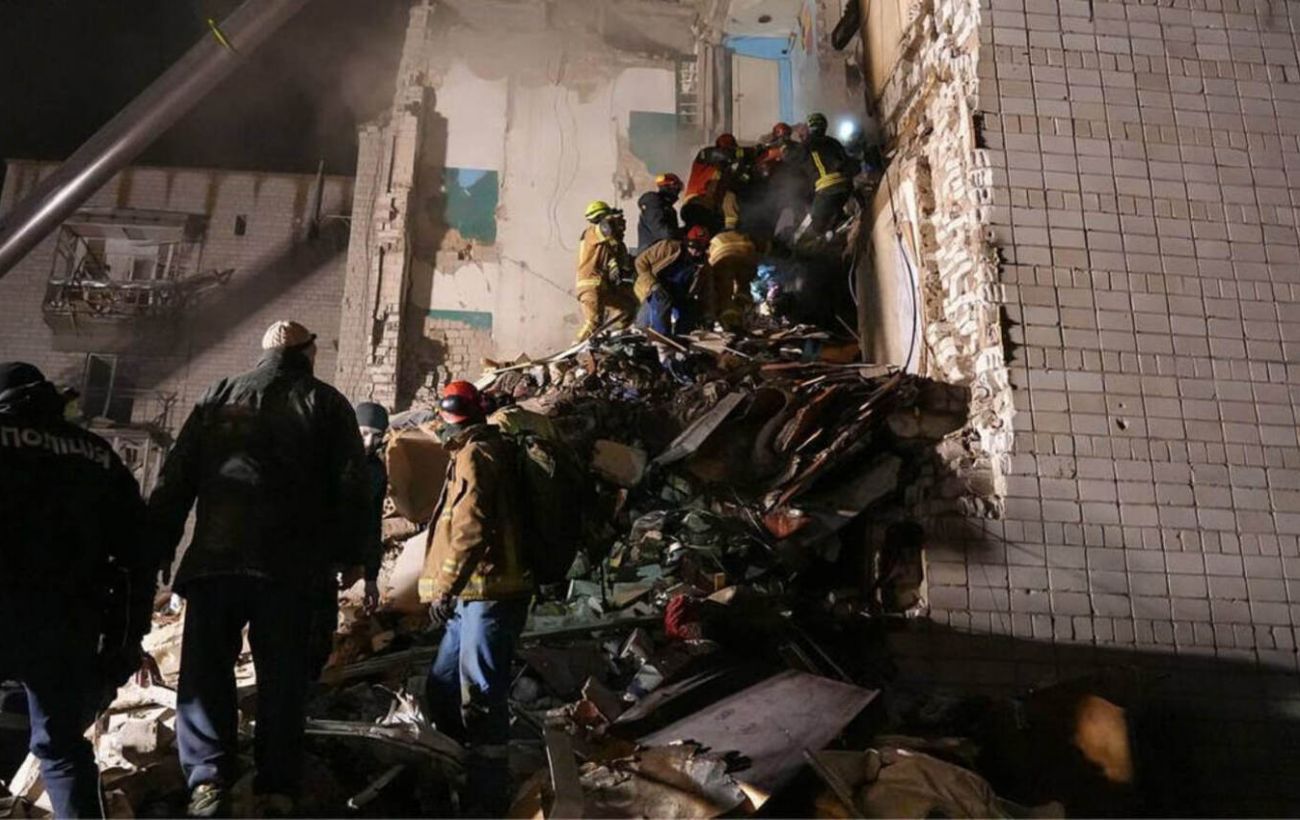
Emergency services are clearing debris from a five-story building in Dymer, Kyiv region, where a Russian drone strike claimed six lives.